Showing posts with label gullo. Show all posts

Friday, June 8, 2012

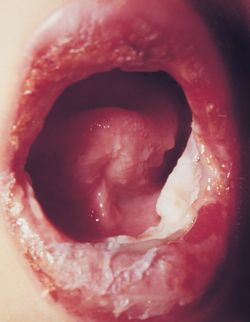
stevens johnson syndrome...without a rash

STEVENS-JOHNSON SYNDROME:
--severe idiosyncratic reactions, most commonly triggered by medications, which are characterized by fever and mucocutaneous lesions leading to necrosis and sloughing


--less severe disease on the same spectrum as TEN (toxic epidermal necrolysis)


DIAGNOSIS: NOT FAIR
--apparently, you can have Stevens-Johnson syndrome without a rash


PMID:  22041607
The Stevens-Johnson syndrome (SJS) classically involves a rash, conjunctivitis and mucositis.

case report of isolated mucositis and conjunctivitis.

Previous rare reports of severe SJS like syndromes without a rash are confined to children, usually with mycoplasma pnemoniae infection


PMID:  22012144
The commonest infections associated with SJS have been HSV and Mycoplasma pneumoniae. 

Less than 10% cases of Mycoplasma pneumonia develop extra pulmonary complications like hemolytic anemia, hepatitis, arthritis, meningitis and SJS.  

unclear from existing literature whether antibiotic treatment of M. pneumoniae infection decreases the risk for SJS. 


PMID:  20678095
another case report of mucocutaneous involvement without skin lesions. 

Oral lesions are present in all cases with SJS associated with M. pneumoniae infection, ocular lesions only in two-thirds and genital lesions in three-fourths of all cases. 

That SJS in association with M. pneumoniae infection is predominantly mucosal is reflected by few reports of SJS presenting without skin lesions. Even when skin lesions are present, mucocutaneous lesions predominate.


BOTTOM LINE:
--stevens johnson syndrome: skin and mucosal involvement, can progress to sloughing (e.g. TEN)
--can present withOUT rash. Mycoplasma pneumonia is common source.


Submitted by J. Gullo.


Reference(s): uptodate.com: Stevens-Johnson syndrome and toxic epidermal necrolysis: Clinical manifestations; pathogenesis; and diagnosis; article 1, article 2, article 3; picture

Thursday, May 17, 2012

d-dimer and aortic dissection

RAGING HYPOTHETICAL:
--your patient arrives complaining of severe chest pain radiating to the back
--you fear aortic dissection
--you've heard about this d-dimer thing...but is it ready for prime-time?


HIGH IN PE/DISSECTION, NOT SO MUCH IN MI: (PMID: 21478122)
--purpose of this research was to define the D-dimer value for discrimination between AAD, PE and AMI.
--consecutive series of 35 AAD, 22 PE and 206 AMI patients


--D-dimer values of patients with AAD (32.9 ± 66.7 g/ml, p<0.001) and PE (28.5 ± 23.6 g/ ml, p<0.001) were significantly higher than those of AMI patients (2.1 ± 3.7 g/ml).
--A cutoff value of 5.0 g/ ml was effective in distinguishing AAD and PE from AMI, with a sensitivity of 68% and a specificity of 90% (ok, but not great)


GOOD SENSITIVITY IS PROMISING... (PMID: 21296332)
--Review and meta-analysis to examine use of d-dimer as screening tool for aortic dissection.
--A value of 500 ng/ml was defined as the threshold for a positive plasma DD finding because it is widely used for ruling out pulmonary emboli.
--Identified 7 studies involving 298 subjects with aortic dissection and 436 without.


--When data were pooled across studies:


  • sensitivity high (0.97, 95% confidence interval [CI] 0.94 to 0.99)
  • negative predictive value high (0.96, 95% CI 0.93 to 0.98)
  • specificity low (0.56, 95% CI 0.51 to 0.60)
  • positive predictive value low (0.60, 95% CI 0.55 to 0.66) 
--In conclusion, our meta-analysis suggests that plasma DD <500 ng/ml is a useful screening tool to identify patients who do not have AAD.


NOT QUITE READY?  (PMID: 21546117)
--There is inadequate evidence to support the use of D-dimer to exclude acute aortic dissection.


--registry data reported by Suzuki et al provide the most valid estimates for D-dimer sensitivity and specificity; however, the relatively small sample size (N=220) resulted in imprecise estimates, with a lower limit of the 95% confidence interval (CI) of 0.90 for sensitivity and 0.38 for specificity.


--A conservative estimate based on these results indicates that the negative likelihood ratio for D-dimer is approximately 0.2 and the positive likelihood ratio is 1.5. If these approximations are validated in a larger prospective study, a positive D-dimer result would have no value in clinical decisionmaking, but a negative D-dimer result may decrease the probability of aortic dissection to a moderate degree.


--However, to rule out aortic dissection with a negative D-dimer result, the pretest probability would have to be very low. 


--Unfortunately, unlike pulmonary embolism or acute myocardial infarction, there are no validated clinical prediction rules to aid clinicians with establishing a pretest probability of aortic dissection.


BOTTOM LINE:
--studies used d-dimer cutoff of 500ng/ml
--high (but not perfect) sensitivity (90+%), low specificity
--potentially useful with patients with low pretest probability for aortic dissection
--since no validated prediction rules (like Wells/PERC for PE) for dissection, not quite ready for primetime


Submitted by J. Gullo.


Reference(s): PMID: 21478122; PMID: 21296332; PMID: 21546117; picture

Friday, April 6, 2012

plastic bronchitis

PMID: 22430124
--Do P, Randhawa I, Chin T, Parsapour K, Nussbaum E., Successful Management of Plastic Bronchitis in a Child Post Fontan: Case Report and Literature Review. Lung. 2012 Mar 20. [Epub ahead of print]


QUICK LEARNING POINTS:
--Plastic bronchitis is a rare, potentially fatal, condition noted in patients after Fontan surgery.

--The mucoid impaction with cast formation occludes the major bronchi with firm, gelatinous material. 

--Acute management involves ABCs (airway, breathing, circulation), potentially requiring intubation for respiratory failure. 

--General airway clearance measures with bronchodilators and chest physiotherapy should be initiated.

--In emergent cases, immediate bronchoscopy, whether rigid or flexible, should be considered.  Bronchial casts are unique foreign bodies that may be friable or dissolvable, making lavage a necessary component of its removal.

--While bronchoscopy can be effective for acute therapy, it does not prevent recurrence nor should it be utilized on a chronic basis. 


BOTTOM LINE:
--Plastic bronchitis is a rare, potentially fatal, condition noted in patients after Fontan surgery.
--treatment toolbox: inhaled mucolytics, bronchodilators, intubation & bronchoscopy if necessary


Submitted by J. Gullo.


Reference(s): article, picture

Thursday, April 5, 2012

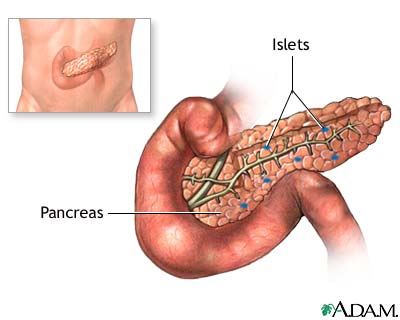
does replacement pancreatic enzymes affect lipase levels?

HEADLINE:
--According to the study below (even though its in pigs), being on replacement enzymes shouldn't affect your lipase levels. 

PMID: 14707735
--The enzyme levels in blood are not affected by oral administration of a pancreatic enzyme preparation (Creon 10,000) in pancreas-insufficient pigs.


--The current study investigated whether orally administered pancreatic enzymes were absorbed from the intestine.
 
--28 pigs; 3 control pigs with intact pancreatic function and 25 pigs that were made exocrine pancreas insufficient by duct ligation (20 pigs) or total pancreatectomy (5 pigs).

--pigs received a pancreatic enzyme preparation (0, 2, 4, or 8 g of Creon 10,000) together with the feed. The blood plasma was analyzed for pancreatic lipase activity.

--Administration of Creon (0–8 g) caused no significant changes in plasma (pro)colipase or cationic trypsin(ogen) levels.

BOTTOM LINE:
--According to the study below (even though its in pigs), being on replacement enzymes shouldn't affect your lipase levels. 


Submitted by J. Gullo.


Reference(s):
article, picture

Wednesday, February 29, 2012

Colace and cerumen impaction

BOTTOM LINE (at the top):
--two randomized controlled trials below both comparing Cerumenex and Colace show that Colace is superior to Cerumenex.  And its cheaper!


PMID: 10969225
--Prospective, randomized, controlled, double-blind trial comparing Cerumenex and Colace. 
--50 Patients enrolled, 23 with cerumenex and 27 with colace.

--Groups were similar in age, sex, and proportion of completely obscured tympanic membranes at presentation (78%).

--ability to completely visualize the tympanic membrane was significantly greater after treatment with docusate sodium versus triethanolamine polypeptide (81% versus 35%; 95% confidence interval [CI], 22 to 71) particularly in children aged 5 or less (90% versus 0%; 95% CI 50 to 100).


PMID: 11132053
--Immediately after ceruminolytic instillation there was no difference between the 2 treatments.
--However, after 2 irrigations with normal saline, complete clearing was achieved in 82% of the docusate-treated patients and 35% of the triethanolamine-treated patients (95% confidence interval [CI], 22%-71%).
--In other words, every other patient treated with docusate instead of triethanolamine would have benefited (number needed to treat=2.13).
--Although this difference was markedly greater in children younger than 5 years (95% CI, 51%-100%), there were only 4 very young children who received triethanolamine.
--No adverse events were reported.


BOTTOM LINE(again):
--colace (docusate sodium) works; helps remove earwax
--it works better than ceruminex (triethanolamine polypeptide)
--no adverse events reported


Submitted by J. Gullo.


Reference(s): article 1, article 2, picture

Monday, February 6, 2012

tick removal: what works?

WHAT DOES NOT WORK (in inducing detachment):

--wheal of 1% lidocaine
--1% lido +epi
--1% chloroprocaine
--application of petroleum jelly
--fingernail polish
--70% isopropyl alcohol
--a hot kitchen match


WHAT DOES WORK:
--use of forceps or protected fingers


NICE IDEAS:
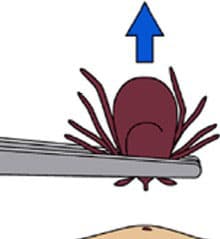
--grasp as close to the skin as possible with curved forceps, tweezers or protected fingers.

--Pull straight up with steady even pressure. If cement or mouthparts remain, then extract if that is practical.

--Disinfect bite site before and after tick removal.

--Do not squeeze, crush, or puncture the body of the tick, because its fluids (saliva, hemolymph, gut contents) may contain infectious organisms.


Submitted by J. Gullo.


Reference(s): lidocaine study, 5 common techniques article, aafp overview, emedicine overview, picture (CDC)

Thursday, February 2, 2012

Ear lacerations

CAN YOU WIGGLE YOUR EARS?
--The musculature of the ear, if damaged, is of no significant importance
--Generous dual blood supply = heals well
--Need to cover exposed cartilage and minimize wound hematoma


WHEN TO REFER TO PLASTICS/ENT:
  • Auricular hematoma
  • Involvement of auditory canal
  • If Humpty Dumpty is hard to identify:
    • Large skin avulsion (>5mm)
    • Large cartilage defects
    • Severe crush injury
    • Complete or near complete avulsion or amputation
    • Obvious devitalization
           
IF YOU FIX IT:
--try regional nerve blocks or field blocks
--Avoid local anesthesia --> causes pain and distorts landmarks
--No good evidence to show the epinephrine causes ischemic necrosis


HEALS GREAT, LESS FILLING:
--The skin and underlying cartilage adhere to each other well, so that separate closure of cartilage is usually unnecessary
--only approximate cartilage separately from skin when the wound is extensive
--Apply pressure dressing to avoid hematoma formation


Submitted by J. Gullo.


Tuesday, January 31, 2012

Cocaine: quick review

PATHOPHYSIOLOGY:

  • Release of NE, blocks NE reuptake
  • Release & reuptake blockade of serotonin and dopamine
  • Na channel blockade – local anesthetic effect
  • Fat soluble - crosses blood brain barrier
  • Stimulates CNS, especially limbic system, which potentiates dopaminergic transmission - pleasurable behavioral effects
  • REMINDER: don't treat with a beta-blocker (shunts to unopposed alpha receptors)

NOTABLE NUMBERS:

Route
Onset
Peak(min)
Duration(min)
 Half-life (min)
Inhalation
7s
1-5
20
40-60
IV
15s
3-5
20-30
40-60
Nasal
3min
15
45-90
60-90
Oral
10min
60
60
60-90

DEATH BY...

  • Tachydysrhythmias cause most non-traumatic deaths
  • Stroke
  • SAH
  • Hyperthermia
  • MI (acute vasospasm, dysrhythmia, chronic accelerate atherogenic disease)

HEART BREAKER:

  • Patients with cocaine-related MI often have fixed atherosclerotic lesions.
  • Cocaine can induce increased heart rate and BP, resulting in increased myocardial oxygen demand.
  • effects of cocaine also include myocarditis and dilated cardiomyopathy.


10-SECOND RECAP:
--stims norepi, serotonin, dopa release, blocks reuptake; also Na+ channel blocker
--DON'T treat with beta-blocker (unopposed alpha-receptor action)
--inhaled/IV works in seconds, nasal/oral works in minutes, lasts hour(s)
--sympathomimetic response, and resulting problems (dysrhythmias, MI, stroke, SAH, hypertherm, etc.)
--say NO to drugs.


Submitted by J. Gullo. 


Friday, January 27, 2012

hyoid bone fracture


QUICK OVERVIEW:
--rare, due to protected location of the larynx (mandible is superior and anterior and spine is posterior)

--Hyoid bone fractures from blunt trauma other than strangulation = 0.002%

--Respiratory distress can progress rapidly: hematoma formation and soft tissue swelling leads to airway compromise and hypoxia

--Laryngeal injuries occur more commonly in males (77% vs 33%)
--Women have slimmer longer necks so they are more prone to hyoid bone fractures

--symptoms: horseness, neck pain, dyspnea, dysphonia, aphonia, dysphasia, odynophonia/phagia, stridor (inspiratory), hemoptysis, subcutaneous emphysema, hematoma, ecchymosis, crepitus, loss of landmarks

--Associated injuries w/laryngeal fractures: intracranial injury (13%), open neck injury (9%), C-spine fx (8%), esophageal injury (3%)


BOTTOM LINE:
--hyoid bone fractures are rare
--most are from strangulation, few from blunt trauma
--respiratory compromise is the big issue (duh)
--associated with other head & neck badness


Submitted by J. Gullo.


Tuesday, January 24, 2012

where do patient’s with Marfan Syndrome dissect?

AORTIC DISSECTION & MARFAN SYNDROME:
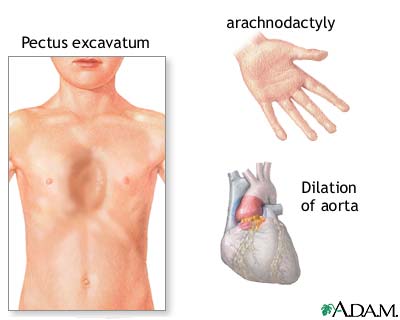
--The major cardiovascular manifestation in Marfan Syndrome is a progressive dilatation of the ascending aorta, leading to aortic aneurysm formation and eventually to fatal aortic rupture or dissection. Aortic dissection in early adult life is the leading cause of death.

--The ascending and descending aorta are both abnormal in Marfan Syndrome.

· The descending aorta is affected in two out of three patients during aortic dissection, and is the site of most complications which occur during follow-up.

· Aortic dissection limited to the descending aorta can occur in patients without dilatation of the ascending aorta.

--Dissection of the descending aorta was associated with dissection of ascending aorta in 43% and was isolated in 20% of cases.


BOTTOM LINE:
--dissections in Marfan involve descending aorta ~2/3 of the time, but these frequently involve the ascending aorta also
--if you have a patient with Marfan, and are worried about a dissection...worry about both (ascending/descending)


Submitted by J. Gullo.


Reference(s): PMID: 20232788, medscape article, picture

Monday, January 23, 2012

how often is manual testicular detorsion successful?

STUDY 1:
--over 10 years, looked at 35 of 104 patients who underwent pre-op manual detorsion. 
--of the 34 evaluable patients, all the testes were salvaged (i.e. 100%)

STUDY 2:
--16 Total cases of acute torsion, 15 underwent successful detorsion
--93% testicular salvage in the 15 who underwent detorsion

STUDY 3:
--14 of 17 patients had successful manual detorsion with no testicular atrophy noted after 22 months


BOTTOM LINE:
--manual testicular detorsion works pretty well
--most torsion is medial, so to detors, twist 180 degrees laterally (like opening a book); should relieve symptoms
--then call urology


Submitted by J. Gullo.


Reference(s): study 1, study 2, study 3, picture

Tuesday, January 10, 2012

are antibiotics really helpful in nasal packing after epistaxis?

STUDY #1: questionnaire to UK docs asking about their clinical practice with nasal packing

--preferred nasal packing materials: merocel (72%), rapid rhino (17%), either merocel or rapid rhino (5%), BIPP pack (3%) and no preference (3%).

--antibiotics used if: packing in >24 hrs (37%), packing >48 hrs (28%), NOT used routinely (22%), for all packing (5%), no preference (8%)

--length of antibiotic course: while the pack was in (37%), 5 days (43%), 7 days (14%), no preference (6%)

--antibiotic choice: amoxycillin/clavulanic acid (73%), amoxycillin alone (17%), cephalosporin (10%)

--tangents: 78% of the interviewees believed prophylactic antibiotics reduce the incidence of infection (toxic shock syndrome – TSS, sinonasal infection and middle ear infection). Physicians (6%) suggested prophylactic antibiotics may help to reduce incidence of re-bleeding. The remainder (16%) stated they were unsure of the benefit of antibiotic use.


STUDY #2: small prospective pilot study in the UK looking at how antibiotics affected infection rates. 

--21 patients admitted over a six month period for unilateral anterior nasal packing for epistaxis.  Augmentin was started per hospital protocol if the packing remained in for greater than 24 hours.  After the packing was removed, nasal swabs were taken of both nares and cultured.  

--All 21 patients have the same microbiological growth patterns in the packed and non-packed sides of the nasal cavities.  Only 9 of those patients received antibiotics.  So the antibiotics don’t seem to affect bacteria growth.  Also, there were no clinical signs of infections.


10-SECOND TAKEAWAY:
--nasal packing perceived to increase infection risk (similar to tampon w/toxic shock)
--antibiotics tend to be prescribed, but no dramatic consensus on when to use or for how long
--small study suggests the antibiotics don't change nasal flora
--toxic shock would suck (incidence in post-op packing is 16 per 100,000 packing), but not much evidence prophylactic antibiotics do much to change that. need more data, but judge accordingly.


Submitted by J. Gullo.


Reference(s): study 1, study 2, uptodate.com: Approach to the adult with epistaxis, picture

Friday, January 6, 2012

lithium and hypothyroidism

LITHIUM & THE THYROID:
--not always best friends

--multiple mechanisms by which Lithium causes hypothyroidism:
  • inhibits thyroid hormone release and increases TRH-stimulated TSH. 
  • concentrated by the thyroid gland and inhibits iodine uptake.
  • interferes with the deiodination of T4 to T3
  • may have an immunostimulant effect, either by inducing or exacerbating a preexisting autoimmune disease.
--Rates of overt hypothyroidism can vary from 0 – 47% (average 10%) in people on long term lithium treatment.  


BOTTOM LINE:
--if you have a patient who is taking lithium, and you're sending off labs (lithium level, sodium/lytes, etc) for some [presumably good] reason, might be worth adding a TSH to the mix


Submitted by J. Gullo.


Reference(s): a review, another source, picture

Wednesday, January 4, 2012

what's a normal alkaline phosphatase level in children?


QUICK TAKE-AWAY:
--This study linked below analyzed nearly 1700 serum samples from children age 0 – 18.  About 80 of the children had liver disease.  They considered an alk phos of 335 to be the upper limit of normal in childhood.  Most of their data topped out at under an alk phos of 250-ish.

--not sure I can post their figures up without permission, but if you have a minute, click the link, look at figures 1 & 2, figure 2 mainly. picture's worth a thousand words.


Submitted by J. Gullo.


Reference(s): Knight JA, Haymond RE. gamma-Glutamyltransferase and alkaline phosphatase activities compared in serum of normal children and children with liver disease. Clin Chem. 1981 Jan;27(1):48-51., picture

Tuesday, January 3, 2012

ABG vs. VBG


DO I REALLY NEED TO STICK THIS PERSON AGAIN, OR CAN I DRAW OFF A VBG? (scroll down for an even more abridged version)


STUDY #1: (hypothetical: metabolic derangement)
--retrospective review of ABG and VBG’s in stable DKA patients. 


--in patients with DKA, the difference between arterial and venous pH was 0.02 units (-0.009 to +0.021) and the difference between bicarbonate was -1.88 mEq/L. 


--their conclusion: VBGs are fine in a hemodynamically stable DKA patient who isn’t in respiratory distress. 


STUDY #2: (hypothetical: respiratory failure)
--compared ABGs and VBGs in the setting of acute COPD exacerbations. 


--their conclusion: the pH correlates extremely well.  also, when using a cutoff of 45 mmHg, the venous pCO2 will catch all cases of arterial hypercarbia. 


--however, there is a large 95% CI so the authors conclude by saying that a VBG is excellent at detecting hypercarbia (present/absent) and useful for initiating non-invasive ventilation, but it is not good enough to replace the ABG in assess the degree of hypercarbia.


STUDY #3: (hypothetical: the hypotensive patient)
--looked at the difference between values on an ABG and a VBG in the setting of hypotension. 
--about 190 patients, 70 hypotensive and 120 normotensive. 


--the average ABG-VBG difference in hypotensive vs normotensive groups was minimal for pH, small for CO2/bicarb, and larger for PO2/SO2.


--their conclusion: Hypotensive status is associated with an increase in the amount of difference between VBG and ABG analysis regarding pH, HCO(3), and BE, though the amount of increase does not seem to be clinically important


ABRIDGED VERSION: (ABG vs. VBG):
--study 1: in DKA, the pH was very similar, bicarb pretty close
--study 2: in COPD, the pH was very similar, VBG PCO2 > 45mmHg cutoff is 100% sensitive for arterial hypercarbia, but the VBG PCO2 value itself is not as good
--study 3: in hypotension, the pH was very similar, PCO2/bicarb pretty close, not so good for oxygen status


BOTTOM LINE:
--if you care about the pH: VBG seems to work just fine
--if you care about hypercarbia: hypercarbia on VBG (>45) probably means you're hypercarbic
--if you care about the amount of hypercarbia: probably need to get the ABG
--if you care about the P02 or 02 sat: probably need to get the ABG


Submitted by J. Gullo.


Reference(s): Study #1 (PMID:  16454777), Study #2 (PMID:  21908141), STUDY #3 (PMID:  22091230), picture