Showing posts with label ENT. Show all posts

Tuesday, May 29, 2012

steroids for pharyngitis + Centor criteria refresher


STUDY HIGHLIGHTS:
Meta-analysis of 9 RCT's of adults and children using steroids for tonsillitis or pharyngitis 

did find more patients with resolution of pain with steroids at 24 or 48 hours.

All patients received antibiotics, which may have been confounding.


BOTTOM LINE:
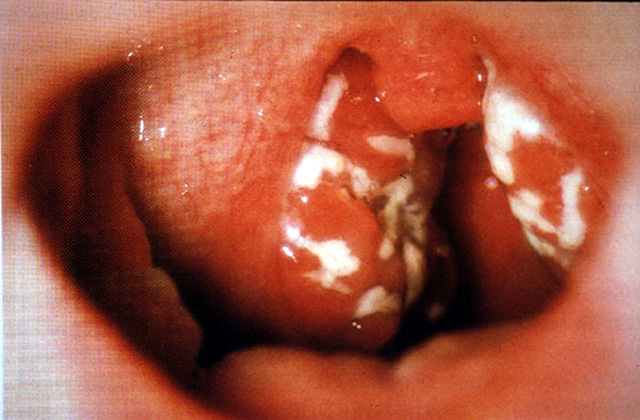
consider steroids (maybe prednisone 60mg x1 or 2 days) for adult patients with severe exudative sore throat in conjunction with antibiotics.

Of course, steroids have complications, so consider them when prescribing.

Hayward, G. et.al. (2009). Corticosteroids for pain relief in sore throat: systematic review and meta-analysis. British Medical Journal. 

-----

P.S.
a reminder of the Centor criteria (if you believe in them)

The 4 criteria are: 
  • fever
  • pharyngeal exudates
  • anterior cervical adenopathy
  • absence of a cough. 

The presence of a cough, hoarse voice, or conjunctivitis, suggests a viral etiology and is not considered a risk factor for group A beta-hemolytic strep. 

Centor criteria should not be used to predict GABS in children.

  • <2 points — No antibiotic or throat culture necessary.
    (Risk of strep infection <10%)
  • 2-3 points — Should receive a throat culture and treat with an antibiotic if culture is positive.
  • >3 points — Treat empirically with an antibiotic.
    (Risk of strep infection >50%)

Singer JI, Gebhart ME: Sore throat, in Marx JA, Hockberger RS, Walls RM (eds): Rosen's Emergency Medicine Concepts and Clinical Practice, ed 6, St. Louis: Mosby, 2006: 274


Submitted by S. Morris.


Reference(s): hayward study; rosen's chapter (listed above); picture

Thursday, February 2, 2012

Ear lacerations

CAN YOU WIGGLE YOUR EARS?
--The musculature of the ear, if damaged, is of no significant importance
--Generous dual blood supply = heals well
--Need to cover exposed cartilage and minimize wound hematoma


WHEN TO REFER TO PLASTICS/ENT:
  • Auricular hematoma
  • Involvement of auditory canal
  • If Humpty Dumpty is hard to identify:
    • Large skin avulsion (>5mm)
    • Large cartilage defects
    • Severe crush injury
    • Complete or near complete avulsion or amputation
    • Obvious devitalization
           
IF YOU FIX IT:
--try regional nerve blocks or field blocks
--Avoid local anesthesia --> causes pain and distorts landmarks
--No good evidence to show the epinephrine causes ischemic necrosis


HEALS GREAT, LESS FILLING:
--The skin and underlying cartilage adhere to each other well, so that separate closure of cartilage is usually unnecessary
--only approximate cartilage separately from skin when the wound is extensive
--Apply pressure dressing to avoid hematoma formation


Submitted by J. Gullo.


Wednesday, January 25, 2012

steroids and sore throat

(scroll to bottom for 10-second version)
REVIEW ARTICLE:
--includes 5 adult trials of IM vs oral steroids for acute pharyngitis

--suggested earlier reduction of pain and shorter time to complete relief as well as 3 pediatric trials using oral dex (0.6 mg/kg to a max of 10 mg) as a single dose or given over 3 days showed earlier pain reduction compared to controls

--no benefit to 3 day vs. single dose


META-ANALYSIS:
--includes 8 RCT’s comparing systemic corticosteroids and placebo

--when given with antibiotics, patients who received steroids had an average onset of pain relief 6.3 hours earlier


INTRAMUSCULAR STEROIDS:
--turkish study; single dose IM dex vs. placebo for patients with 2+ Centor criteria

--average onset to pain relief of 8.1 hrs in steroid group vs. 19.9 hrs in placebo group

--complete pain relief of 28.9 hrs (steroid) vs 53.7 hrs (placebo)


PO vs. IM STEROIDS:
--single dose oral prednisone vs IM dexamethasone

--no difference in pain scores or number of hours to relief of pain


10-SECOND RECAP:
--steroids in acute pharyngitis: hastens pain relief by about 6-24 hours (vs. placebo)
--single dose probably just as good as 3-day course
--dexamethasone IM vs. prednisone PO: works about the same


Submitted by F. DiFranco.


Reference(s): Hayward, G., et al. Corticosteroids for pain relief in sore throat: systematic review and meta-analysis. British Medical Journal. 339:b2976, Aug. 2009; Korb, K., et al. Steroids as adjuvant therapy for acute pharyngitis in ambulatory patients: a systematic review. Annals of Family Medicine. 8(1):58, Jan.-Feb. 2010; Marvez-Valls, E., et al. A randomized clinical trial of oral versus intramuscular delivery of steroids in acute exudative pharyngitis. Academic Emergency Medicine. 9(1):1, Jan. 2002; Tasar, A., et al. Clinical efficacy of dexamethasone for acute exudative pharyngitis. Journal of Emergency Medicine. 35(4):363, Nov. 2008; picture

Tuesday, January 10, 2012

are antibiotics really helpful in nasal packing after epistaxis?

STUDY #1: questionnaire to UK docs asking about their clinical practice with nasal packing

--preferred nasal packing materials: merocel (72%), rapid rhino (17%), either merocel or rapid rhino (5%), BIPP pack (3%) and no preference (3%).

--antibiotics used if: packing in >24 hrs (37%), packing >48 hrs (28%), NOT used routinely (22%), for all packing (5%), no preference (8%)

--length of antibiotic course: while the pack was in (37%), 5 days (43%), 7 days (14%), no preference (6%)

--antibiotic choice: amoxycillin/clavulanic acid (73%), amoxycillin alone (17%), cephalosporin (10%)

--tangents: 78% of the interviewees believed prophylactic antibiotics reduce the incidence of infection (toxic shock syndrome – TSS, sinonasal infection and middle ear infection). Physicians (6%) suggested prophylactic antibiotics may help to reduce incidence of re-bleeding. The remainder (16%) stated they were unsure of the benefit of antibiotic use.


STUDY #2: small prospective pilot study in the UK looking at how antibiotics affected infection rates. 

--21 patients admitted over a six month period for unilateral anterior nasal packing for epistaxis.  Augmentin was started per hospital protocol if the packing remained in for greater than 24 hours.  After the packing was removed, nasal swabs were taken of both nares and cultured.  

--All 21 patients have the same microbiological growth patterns in the packed and non-packed sides of the nasal cavities.  Only 9 of those patients received antibiotics.  So the antibiotics don’t seem to affect bacteria growth.  Also, there were no clinical signs of infections.


10-SECOND TAKEAWAY:
--nasal packing perceived to increase infection risk (similar to tampon w/toxic shock)
--antibiotics tend to be prescribed, but no dramatic consensus on when to use or for how long
--small study suggests the antibiotics don't change nasal flora
--toxic shock would suck (incidence in post-op packing is 16 per 100,000 packing), but not much evidence prophylactic antibiotics do much to change that. need more data, but judge accordingly.


Submitted by J. Gullo.


Reference(s): study 1, study 2, uptodate.com: Approach to the adult with epistaxis, picture

Friday, December 9, 2011

perforated tympanic membrane

HOW DID THIS HAPPEN?
--barotrauma of all sorts (pressure changes with airplanes, diving, etc)
--self-induced/foreign bodies (q-tips, paper clips, etc)
--otitis

WHAT DO I DO?:
--most heal on their own
--antibiotics only if infectious etiology
--antibiotic choice: oral + topical; avoid antiseptic/acidic drops with perf'd TM (e.g. ofloxacin ok, corticosporin NOT ok)
--pain meds
--no evidence for decongestants, antihistimines, steroids