Showing posts with label pneumothorax. Show all posts

Friday, April 13, 2012

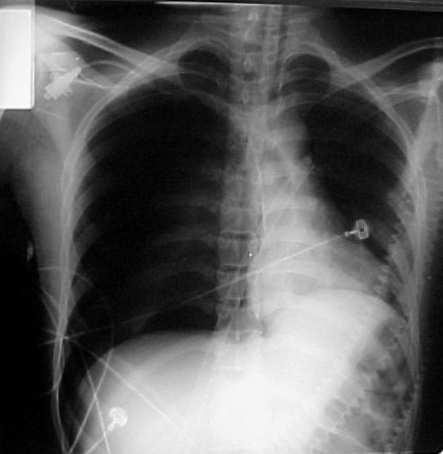
bedside ultrasound vs. supine chest x-ray for pneumothorax

RAGING HYPOTHETICAL:
--trauma patient, worried about pneumothorax
--how good is the bedside ultrasound? (sliding lung sign)


YOUTUBE ASSIST:


STUDY 1 (176 patients):
  • sensitivity (CXR): 75.5%
  • sensitivity (US): 98.1%
  • specificity (CXR): 100%
  • specificity (US): 99.2%

STUDY 2 (120 patients):
  • sensitivity (CXR): 82.7%
  • sensitivity (US): 89.7%
  • specificity (CXR): 100%
  • specificity (US): 97%

REVIEW ARTICLE (4 articles, 606 patients):
  • sensitivity (CXR): 28-75%
  • sensitivity (US): 86-98%
  • specificity (CXR): 100%
  • specificity (US): 97-100%  


BOTTOM LINE:
--bedside ultrasound vs. supine CXR for pneumothorax...
--both are very specific
--ultrasound is more sensitive than supine CXR


Submitted by S. Lee.


Reference(s): youtube video, study 1, study 2, review article, picture

Thursday, March 15, 2012

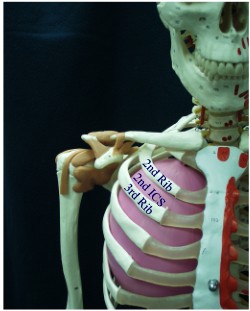
needle thoracostomy: optimal site?

TRADITIONAL SITE:
--2nd intercostal space, mid-clavicular line


ALTERNATIVE SITE:
--4th/5th intercostal space, mid-axillary line (chest tube site)


CADAVER STUDY:
--2nd intercostal, mid-clavic: needle thoracostomy successfully placed in 58% (23/40)
--5th intercostal, mid-ax: needle thoracostomy successfully placed in 100% (40/40)


CT MEASUREMENT:
--distance from skin to pleura at:
  • anterior 2nd intercostal space averaged 46.3 mm on the right and 45.2 mm on the left
  • midaxillary line, 4th intercostal space was 63.7 mm on the right and 62.1 mm on the left
  • midaxillary line, 5th intercostal space was 53.8 mm on the right and 52.9 mm on the left

KINKING STUDY:
--significant pressure difference required to achieve free flow through the in situ angiocatheter
  • 2nd intercostal space midclavicular line (7.9 ± 1.8 mm Hg)
  • 5th intercostal space midaxillary line (13.1 ± 3.6 mm Hg )

BOTTOM LINE:
--2nd intercostal space, mid-clavicular line (classic site): tougher to find, but less tissue in between, less kinking
--5th intercostal space, mid-axillary line: easier to aim, but more distance (especially with rising obesity) to the pleura, risk of kinking


Submitted by S. Lee.


Reference(s): cadaver study; CT study; kinking study; picture